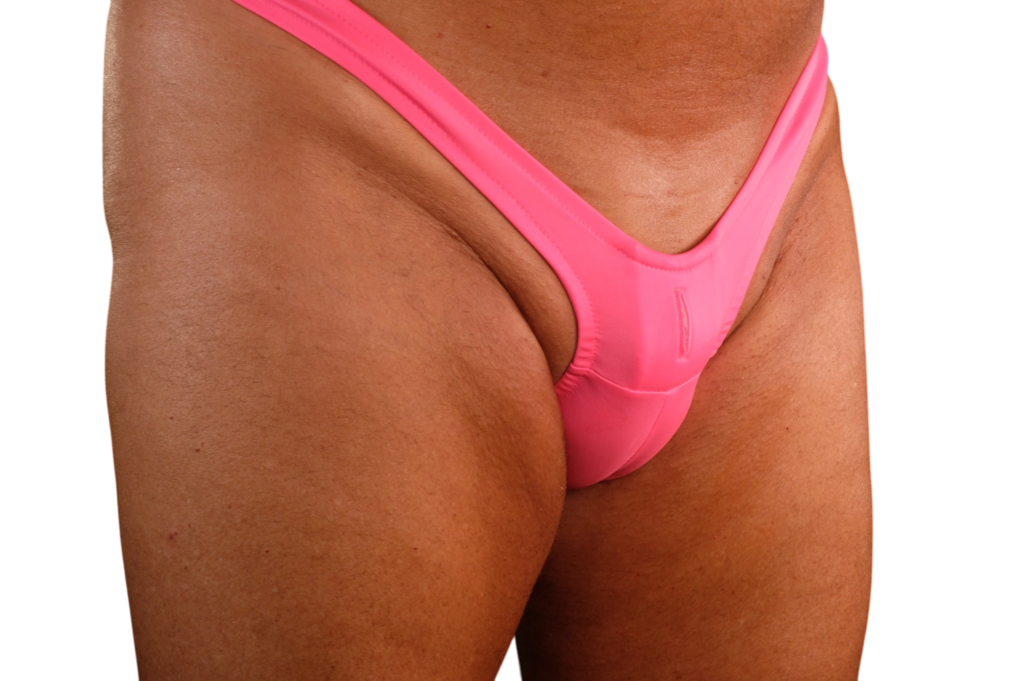
Male-to-Female Transformation Swimwear: A Growing Option for People in Transition
For many people going through a male-to-female (MTF) transition, clothing becomes one of the most powerful tools for expressing identity and feeling comfortable in their body. While everyday fashion has increasingly embraced transgender-friendly designs, swimwear has historically been one of the most challenging categories. Beaches, pools, and resorts often require minimal clothing, which can make gender dysphoria particularly intense.
In recent years, however, a new generation of MTF transformation swimwear has emerged. These designs are specifically created to help people transitioning from male to female achieve a feminine appearance, comfort, and confidence without necessarily requiring surgery or complicated preparation.
For many trans women, femboys, non-binary individuals, and gender-exploring people, these swimsuits are becoming a liberating option that allows them to enjoy the beach and pool while feeling aligned with their identity.
Why Swimwear Matters During Transition
Swimwear plays a unique role in gender expression because it exposes much more of the body than everyday clothing. For someone transitioning, this can create several challenges:
- Concerns about visible anatomy
- Difficulty achieving a feminine silhouette
- Anxiety about being misgendered
- Discomfort with traditional male swimwear styles
Traditional men’s swimwear—such as board shorts or male briefs—often emphasizes the male anatomy, which can intensify dysphoria for someone transitioning.
MTF swimwear addresses these issues by focusing on shape, concealment, and feminine styling. Instead of highlighting the male body, these designs aim to create a smooth, feminine appearance similar to women’s swimwear.
Key Design Features of MTF Transformation Swimwear
1. Built-In Tucking Support
Many designs incorporate built-in tucking panels or compression fabric that help hold everything securely in place. These features may include double-layer front panels, stretch compression materials, or hidden shaping seams.
This allows wearers to create a smoother front profile without complicated taping or uncomfortable techniques.
2. Feminizing Silhouette
MTF swimwear is designed with the goal of creating a female-coded body shape.
Design techniques often include:
- Contoured front panels that flatten the area
- Higher-cut leg openings common in women’s swimsuits
- Narrow bikini cuts that emphasize hips and legs
- Thong or minimal rear coverage designs
These details help create a silhouette that visually aligns with typical feminine swimwear styles.
3. Advanced Stretch Fabrics
Modern swimwear fabrics such as spandex, elastane, and Lycra blends make these designs possible.
These materials provide:
- strong stretch and recovery
- gentle compression
- comfort for extended wear
- fast drying properties
Because of these fabric technologies, the swimsuit can support the body while still remaining flexible and comfortable for swimming.
4. Feminine and Gender-Neutral Styling
Some MTF swimsuits are designed to closely resemble traditional women’s swimwear, while others fall into a more gender-neutral aesthetic.
Common styles include:
- bikini bottoms
- high-waisted retro designs
- minimal swim briefs
- thong and G-string styles
- one-piece feminizing suits
This range allows individuals to choose how strongly they want to express femininity while still feeling comfortable in their presentation.
Confidence and Freedom at the Beach
One of the biggest benefits of MTF transformation swimwear is the sense of confidence it can provide.
For many people transitioning, the idea of going to the beach or pool can feel intimidating. Wearing a swimsuit designed specifically for transgender bodies can remove some of that anxiety.
When someone feels comfortable in their swimwear, they are more likely to:
- participate in swimming and outdoor recreation
- socialize more confidently
- express their gender identity openly
- enjoy public spaces like beaches and resorts
This confidence is one of the reasons transgender swimwear has grown rapidly in popularity.
A Tool for Self-Discovery
MTF swimwear can also play a role in personal discovery. For some individuals, trying on feminizing swimwear for the first time can be a powerful moment of realization.
Seeing themselves in clothing that reflects their gender identity can create a sense of authenticity and emotional validation. In this way, swimwear becomes more than just clothing—it becomes a tool for exploring identity and building confidence during transition.
Part Two
The Newest Extreme MTF Swimwear Innovations
As transgender fashion has evolved, swimwear designers have begun exploring more advanced and sometimes extreme approaches to feminizing swimwear design. These innovations are pushing the boundaries of how swimwear can shape and transform the body.
Some of these designs are particularly popular among trans women, femboys, crossdressers, and gender-fluid individuals who want a highly feminized look without surgery.
Gender-Canceling Front Designs
One of the most striking innovations in MTF swimwear is the gender-canceling front panel.
These suits are designed to visually remove the appearance of male anatomy entirely. The design focuses on:
- flattening the front profile
- smoothing the entire pelvic area
- creating the illusion of a natural female contour
Instead of simply concealing anatomy, these suits aim to redefine the shape of the body in a feminine way.
Camel-Toe Creation Technology
Some extreme MTF swimwear styles even go a step further by simulating the appearance of female anatomy.
These designs use shaping seams, molded fabric panels, or sculpted stitching to create the visual effect of a camel-toe similar to women’s swimsuits.
While this style may seem bold, it has become popular among individuals who want the most convincing feminine presentation possible without surgery.
Ultra-Micro Feminizing Designs
Another growing trend in MTF swimwear is the ultra-micro swimsuit.
These designs are inspired by extreme women’s swimwear and feature:
- extremely narrow front panels
- minimal rear coverage
- ultra-thin side straps
Because the suit is so small, the shaping and tucking design becomes even more important. These micro suits rely heavily on stretch compression fabrics and precision pattern cutting to maintain a smooth feminine appearance.
Feminizing Compression Technology
Some of the newest swimwear designs combine shaping technology similar to shapewear with swimwear fabrics.
These suits use:
- multi-layer compression panels
- reinforced shaping zones
- advanced stretch materials
The result is swimwear that can sculpt the lower body while still functioning as a comfortable swimsuit.
Gender-Fluid and Queer Swimwear Aesthetics
Another important innovation is the rise of gender-fluid swimwear styles.
Instead of clearly identifying as men’s or women’s swimwear, these designs blur the boundaries between the two. They often combine elements of both aesthetics, creating styles that feel modern, expressive, and inclusive.
These suits are especially popular with:
- non-binary individuals
- femboys
- gender-fluid people
- queer fashion communities
The result is a swimwear market that celebrates individual identity rather than traditional gender rules.
The Future of MTF Swimwear
The world of transgender and gender-affirming swimwear is still evolving rapidly. As designers experiment with new materials, shaping technologies, and styling concepts, swimwear will likely continue becoming more inclusive and more customizable.
For many people exploring or living a transfeminine identity, these swimsuits are more than just fashion—they represent freedom, self-expression, and the ability to feel comfortable and confident in one’s body.
As the market grows, MTF transformation swimwear will likely remain one of the most exciting areas of innovation in modern swimwear design.